
How to Protect Your Outdoor HVAC Unit From Wildlife & Environmental Damage
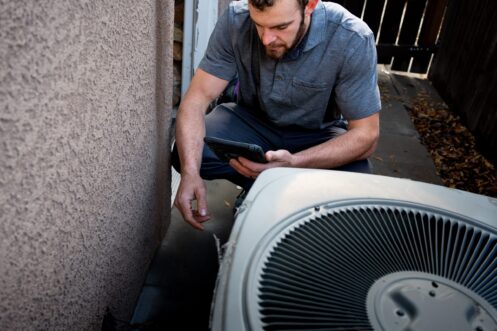
Your outdoor unit deals with a lot more than temperature changes. In Peoria, it can face spring storms, summer heat, cottonwood fluff, falling leaves, winter ice, and the occasional animal looking for shelter. Even though outdoor HVAC equipment is built to handle normal weather, it still needs room to breathe and protection from anything that can block, damage, or interfere with it.
If your system starts making strange noises, struggles to keep up, or needs AC repairs after rough weather, the issue may have started outside. Keeping an eye on the outdoor unit can help you catch small problems before they affect your comfort.
Why Animals Are Drawn to Outdoor HVAC Units
Small animals often look for warm, sheltered places to hide. Your outdoor unit can seem like a safe spot, especially during colder months or after heavy rain. Unfortunately, once wildlife gets too close to the equipment, damage can happen quickly.
Rodents may chew on wiring. Birds may build nests near fan openings. Insects may gather around electrical areas. Even a small amount of nesting material can restrict airflow or interfere with moving parts.
Wildlife-related problems can include:
- Chewed electrical wiring
- Nests inside or around the unit
- Blocked airflow
- Damaged insulation
- Strange noises during operation
- Unexpected system shutdowns
Debris Can Make Your System Work Harder
Your outdoor unit needs clear airflow to release heat properly. When leaves, sticks, grass clippings, or cottonwood seeds collect around the unit, airflow can become restricted. That makes the system work harder to do the same job.
During cooling season, restricted airflow can lead to longer run times, higher energy use, and added strain on important components. During heating season, outdoor heat pump equipment can also struggle if snow, ice, or debris builds up around it.
If your system seems less efficient after a storm or a windy day, debris around the outdoor unit may be part of the problem.
Storms Can Leave Behind Hidden Damage
Not all storm damage is obvious. A branch may hit the cabinet, hail may dent the coil fins, or wind may push debris into areas you cannot easily see. The system may continue running, but performance can drop if airflow or electrical components were affected.
After severe weather, pay attention to:
- New rattling or buzzing sounds
- Weak heating or cooling performance
- Visible dents or bent metal
- Debris caught in or around the unit
- Frequent cycling on and off
- A sudden increase in energy bills
If something sounds or feels different after a storm, it is better to have the system checked before the damage gets worse.
Landscaping Should Help, Not Hurt
Plants, shrubs, and decorative fencing can make the area around an outdoor unit look better, but they should never crowd the equipment. Your system needs open space around it so air can move freely.
Overgrown landscaping can trap heat, collect debris, and give animals more places to hide near the unit. Keeping the area clear helps your system operate more efficiently and makes it easier to spot problems early.
Professional Maintenance Catches What You Might Miss
You may notice obvious debris or visible damage, but some outdoor unit problems are harder to catch. Loose electrical connections, damaged wiring, worn components, and coil issues often require a trained eye.
Regular AC maintenance gives your system a better chance of handling Peoria weather without surprise breakdowns. It also helps identify wildlife activity, storm damage, and airflow restrictions before they lead to bigger repairs.
Protect Your Peoria HVAC System Year-Round
Your outdoor HVAC unit works hard through every season, and a little protection can make a noticeable difference. At Fritch Heating & Cooling, Inc., we help homeowners throughout Peoria, IL keep their heating and cooling systems clean, protected, and ready for changing weather with professional maintenance, inspections, and repair services.
If your outdoor unit has been affected by wildlife, debris, or storm damage, contact Fritch Heating & Cooling, Inc. today to schedule service and keep your HVAC system running reliably.